History
Many of the songs the ensemble sings left Spain with the diaspora of 1492, while others reflect the music heard while living in the Balkans. The Elias family carried them with them when they emigrated to America in 1909.
- 1492Sefarad
Sefarad
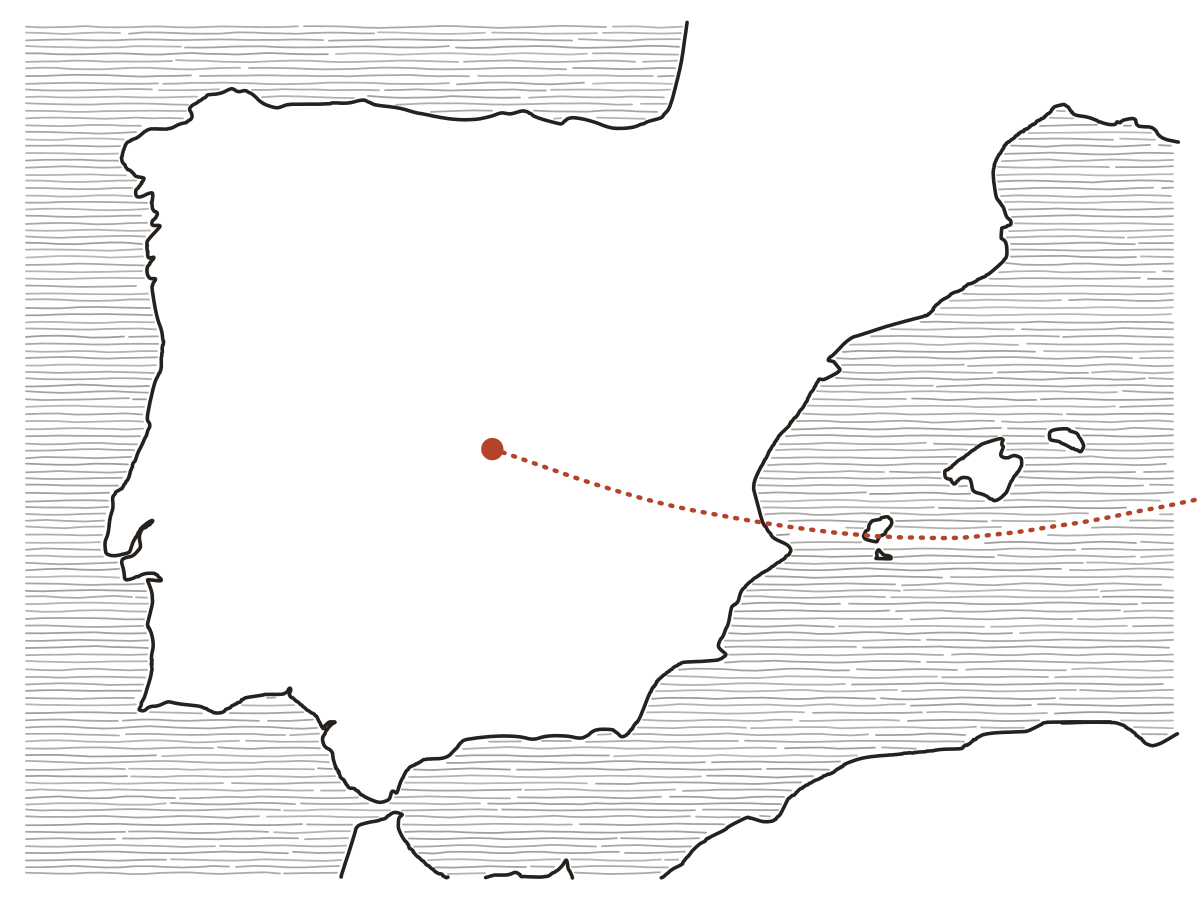
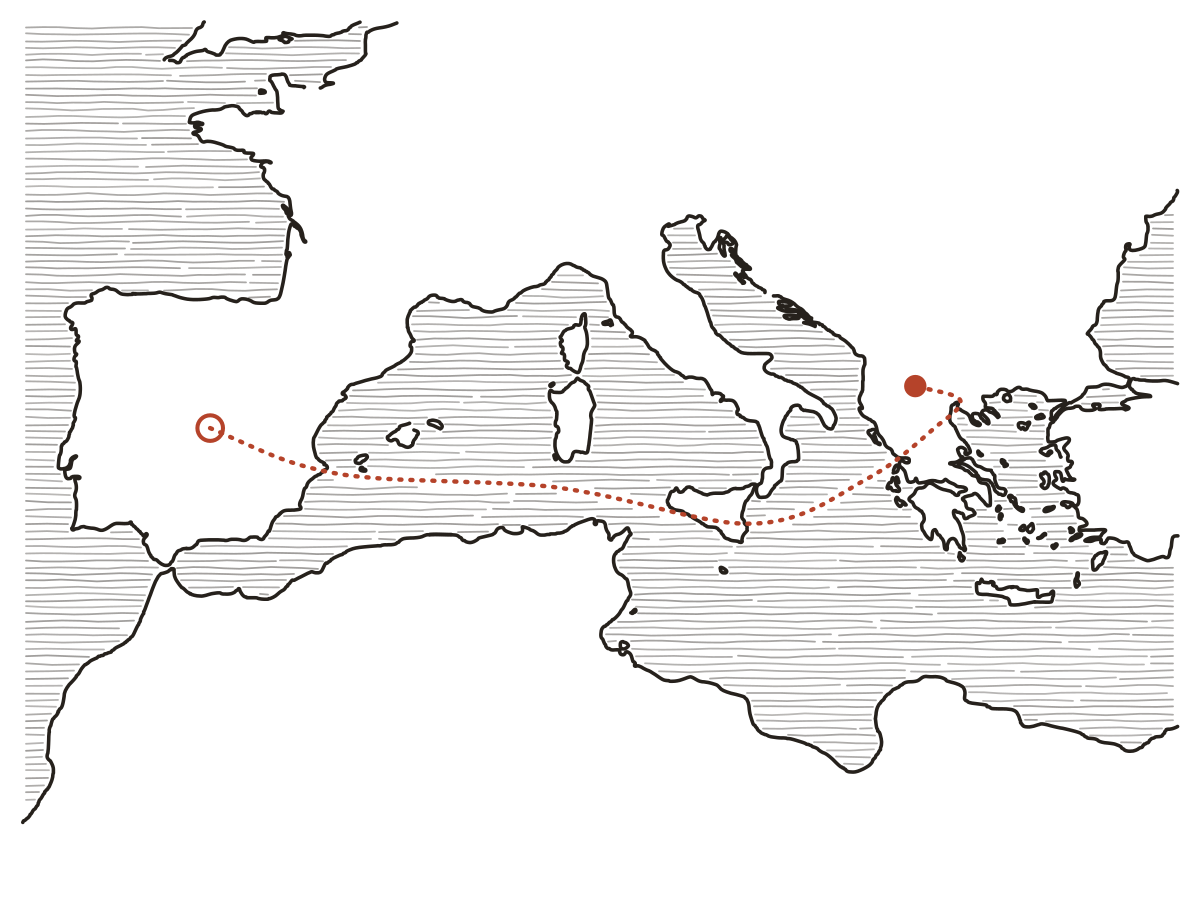
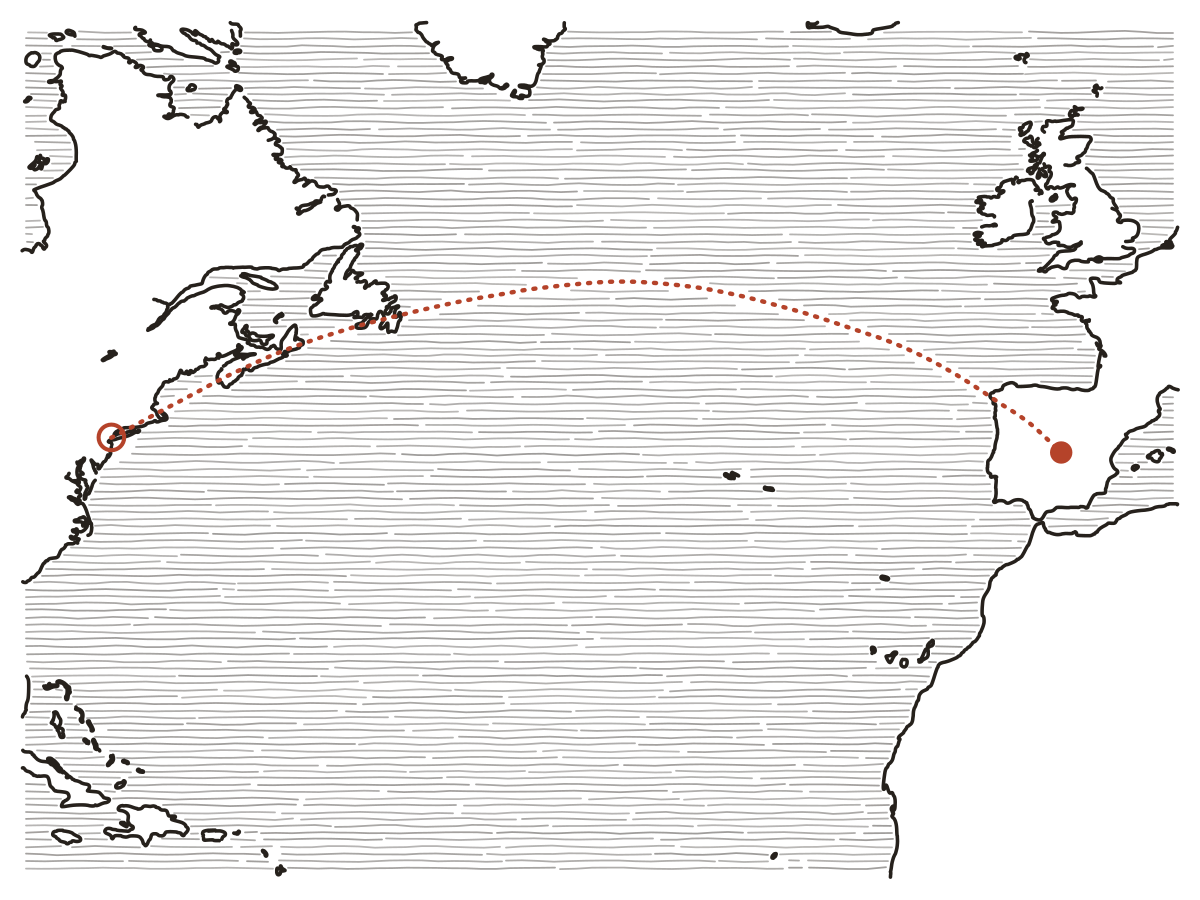
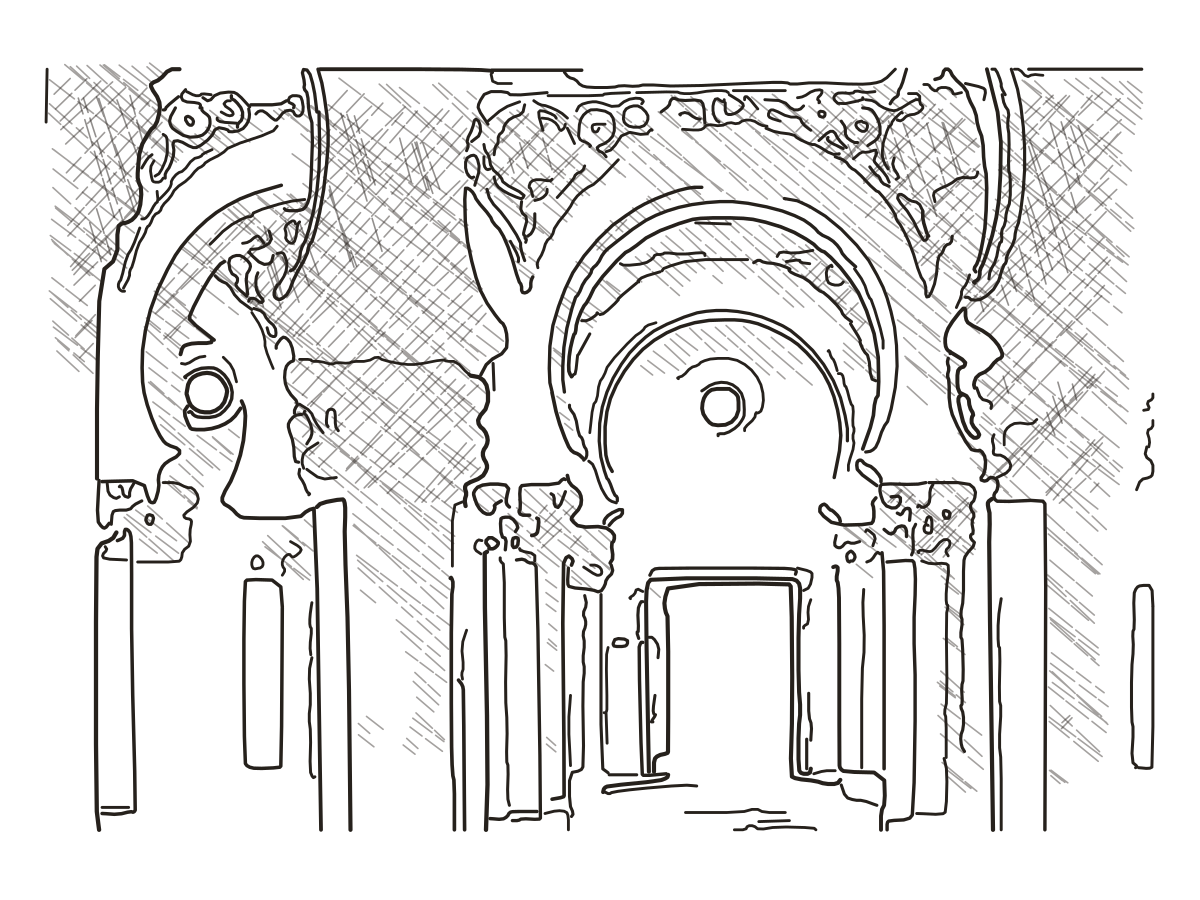
Sefarad is the Hebrew name for Spain. In 1492 Spain expelled its Jews, and Portugal followed five years later. Many of the exiles found refuge in the Ottoman Empire, and they kept the Spanish they had brought with them.
- 1500sMonastir
Monastir
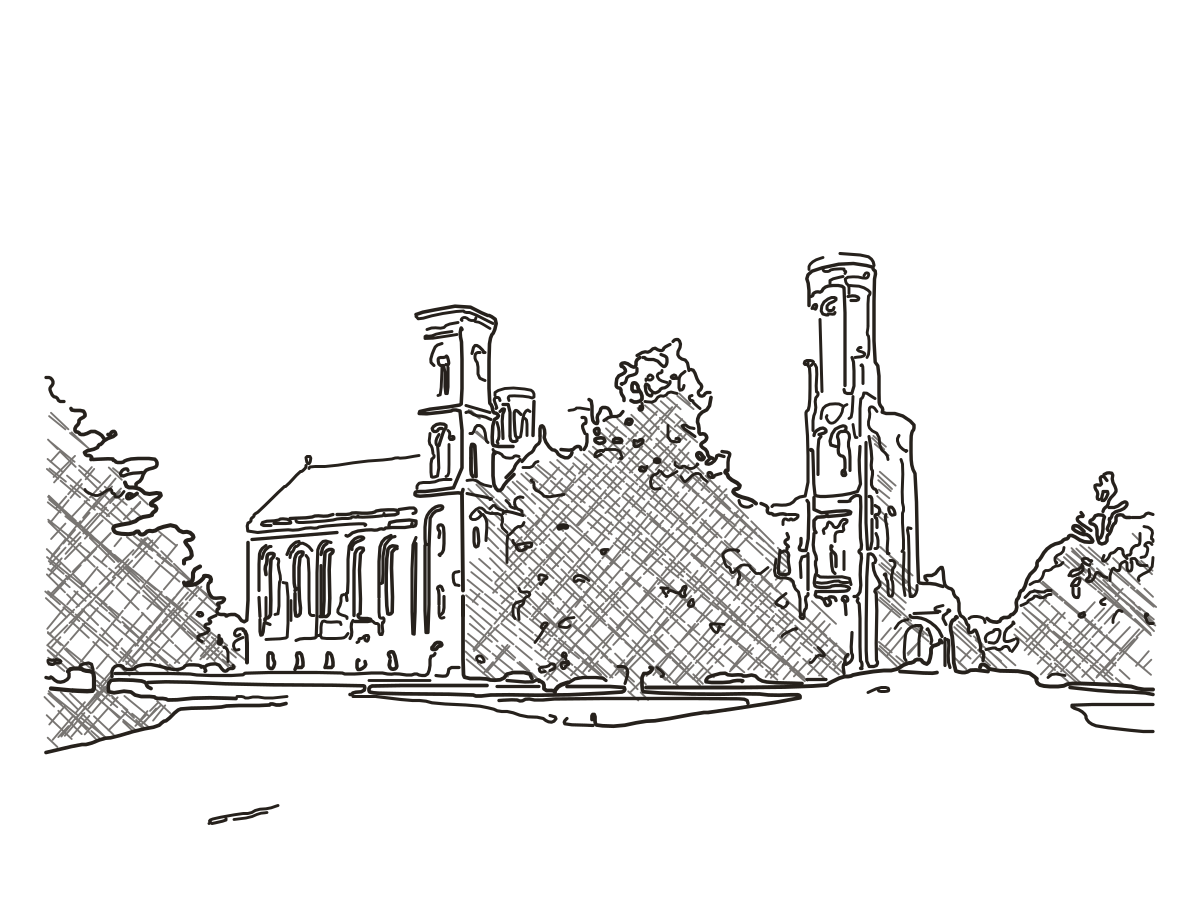
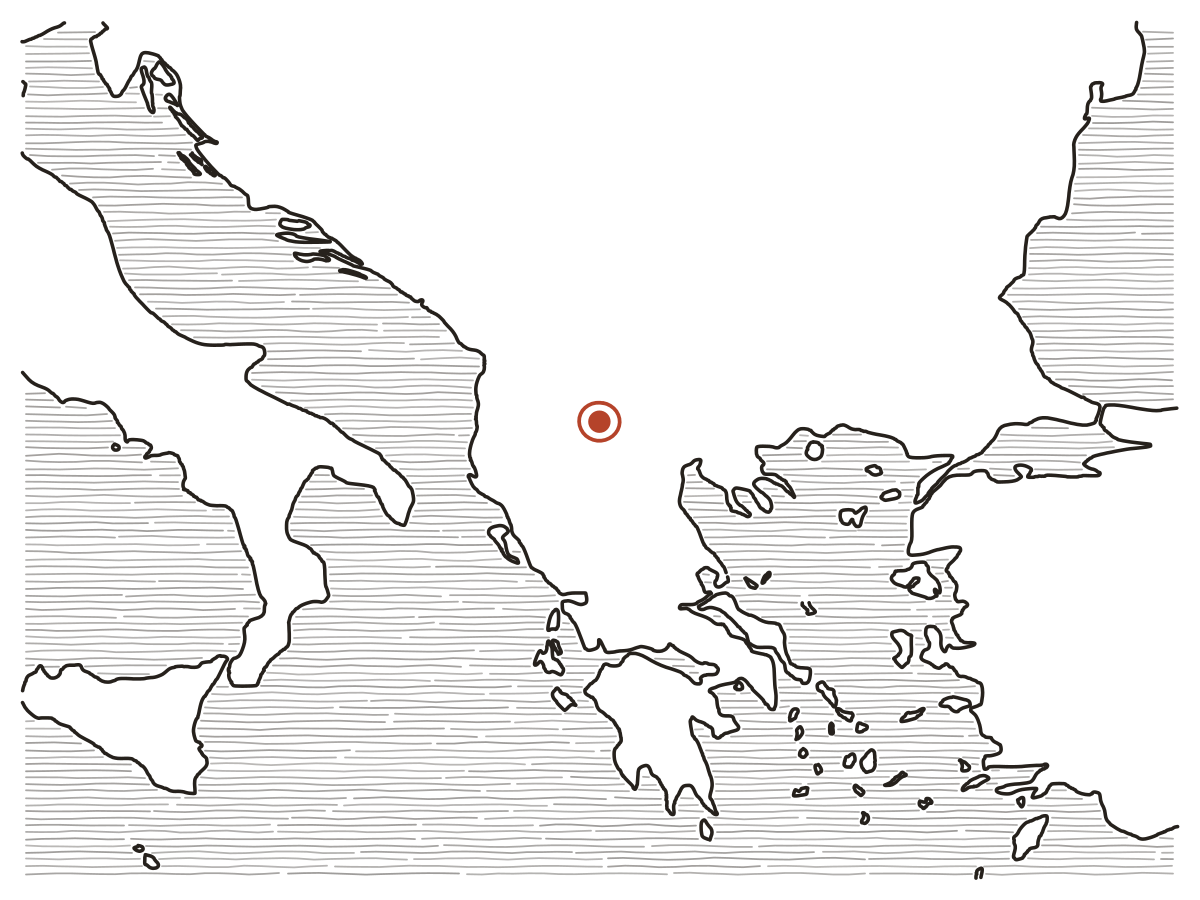
Exiles from Spain settled in Monastir, an Ottoman city known today as Bitola, in North Macedonia. Their community lived there for more than four hundred years.
- 1909Ellis Island
From Monastir
Joe Elias’s father, David Elias Cassorla, was born in Monastir in 1892. He came to America in 1909, at seventeen. He and Sarah “Shorty” Cassuto met and married in Indianapolis.
- 1920New York
New York
They settled in New York, where David served as a rabbi, first to a congregation on the Lower East Side and later to the Sephardic Congregation of Coney Island. They raised seven children. Joe, the youngest, was born in 1933.
- 1950sNew York
His mother’s songs
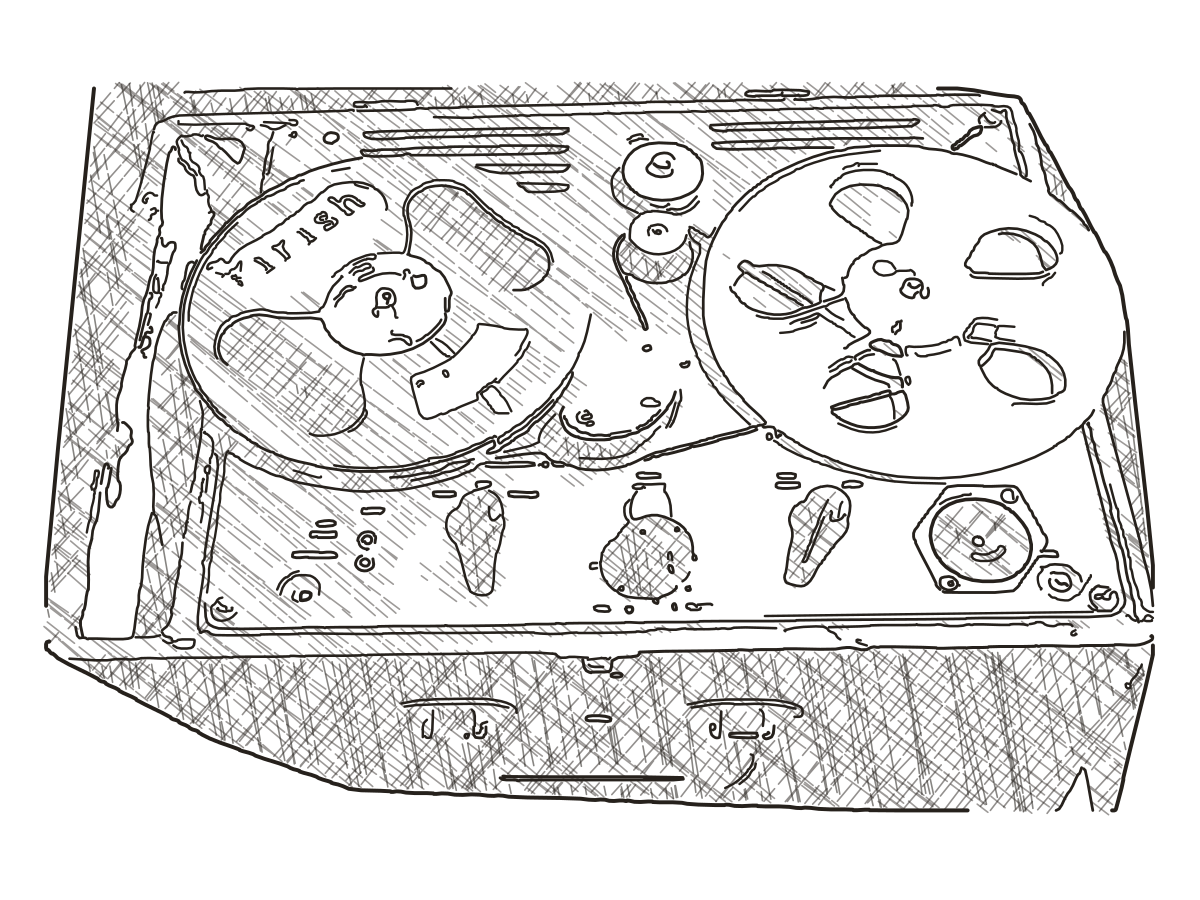
Although she was never taught to read or write, Sarah “Shorty” Elias knew hundreds of songs, the Ladino songs of her childhood, and Joe learned them from her at home in the oral tradition. In the 1950s and early 1960s he recorded her singing them. Those recordings survive in the collection of the Hebrew University in Jerusalem, and Daniel Elias still plays them for audiences.
- 1960sConey Island
Collecting
Joe spent his working life in New York City’s public schools. As a young teacher in the 1960s he began asking the grandparents of his Sephardic students for their songs. Daniel joined Joe as they collected songs from the residents of the Sephardic Home for the Aged in Coney Island. Many weekends were spent singing and learning with the residents, including Ladino recording star Victoria Hazan.
- 1976Washington
The Smithsonian
In August 1976, the year of the American bicentennial, Joe sang at the Smithsonian Institution’s Festival of American Folklife on the National Mall in Washington. The Smithsonian encouraged him to form a group, and that year he founded the Elias Ladino Ensemble with his son, Daniel, and the guitarist Maurice Sedacca, whose mother, Esther Sedacca, was herself a singer of these songs.
- 1980sManhattan
A teacher of songs
Joe taught as much as he performed. In the 1980s he led a weekly evening class in Sephardic song at the Hebrew Arts School in Manhattan, handing out songbooks he had made himself and bringing his students to sing at street fairs and at the Sephardic Home for the Aged. He mentored younger singers who went on to careers of their own. The writer Jane Mushabac, who took his class, remembered him: “He was the real thing.”
- 1991Spain
On stage
Over the following decades the ensemble played festivals, concert halls, synagogues and museums: the Philadelphia Folk Festival, the Clearwater Festival on the Hudson, Merkin Concert Hall and, for many years, Yeshiva University’s Semana Sefarad, where it was the house band.
In 1991, ahead of the 500th anniversary of the expulsion of the Jews from Spain, Daniel led the ensemble on a tour through Spain at the invitation of the Spanish government.
- 1993Safed
Safed
In 1993, the ensemble was invited to Safed to play in a folk festival in Israel. The Elias Ladino Ensemble was the only Ladino group to perform at the event.
- 1994Washington Square Church
The New York Times
In January 1994 the ensemble played twenty songs at Washington Square Church in New York, and Allan Kozinn reviewed the concert for The New York Times.
“Joseph Elias did most of the singing and explaining in an appealingly gentle, folksy way.”
- 1997Battery Park, New York
The Museum of Jewish Heritage
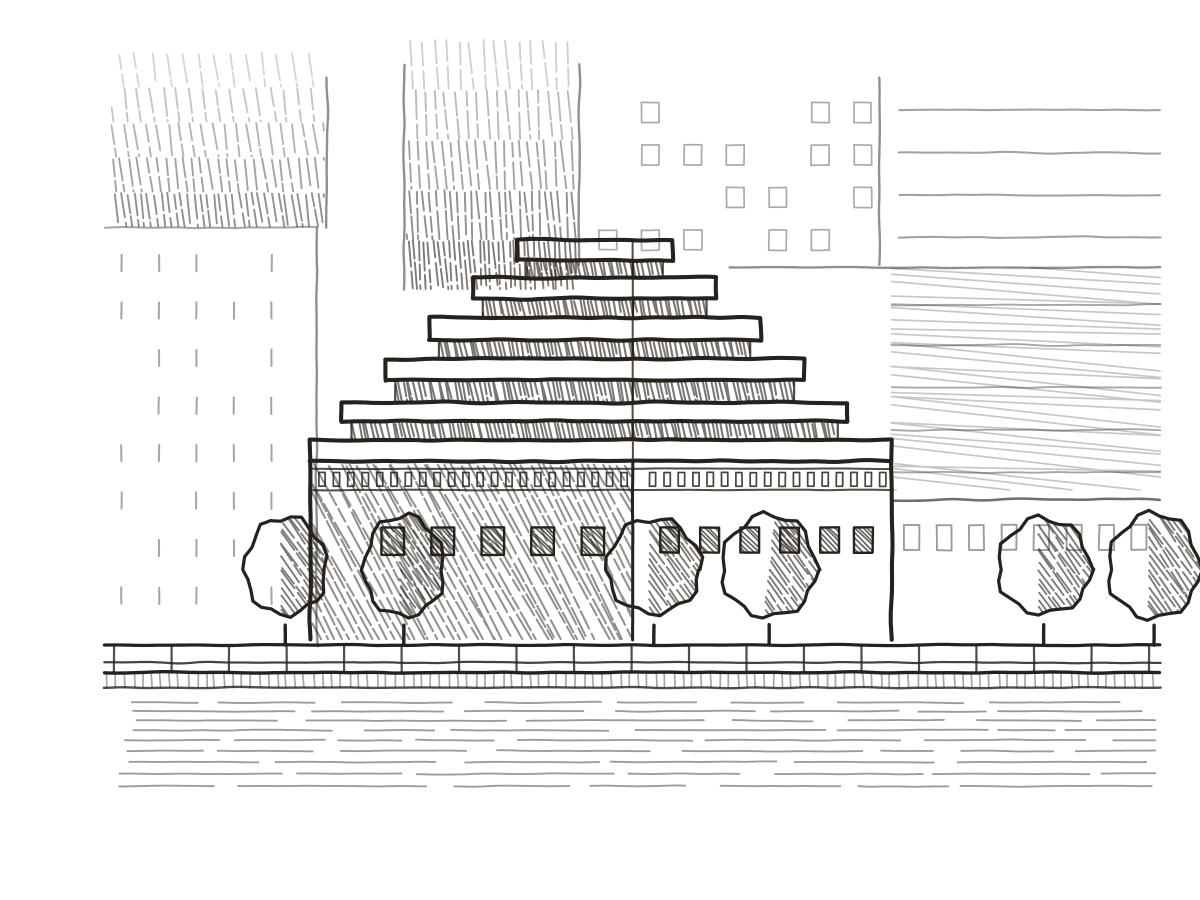
When the Museum of Jewish Heritage opened in Lower Manhattan in 1997, the ensemble was the first artist to perform there.
- 1999New York
Ladino Lives!
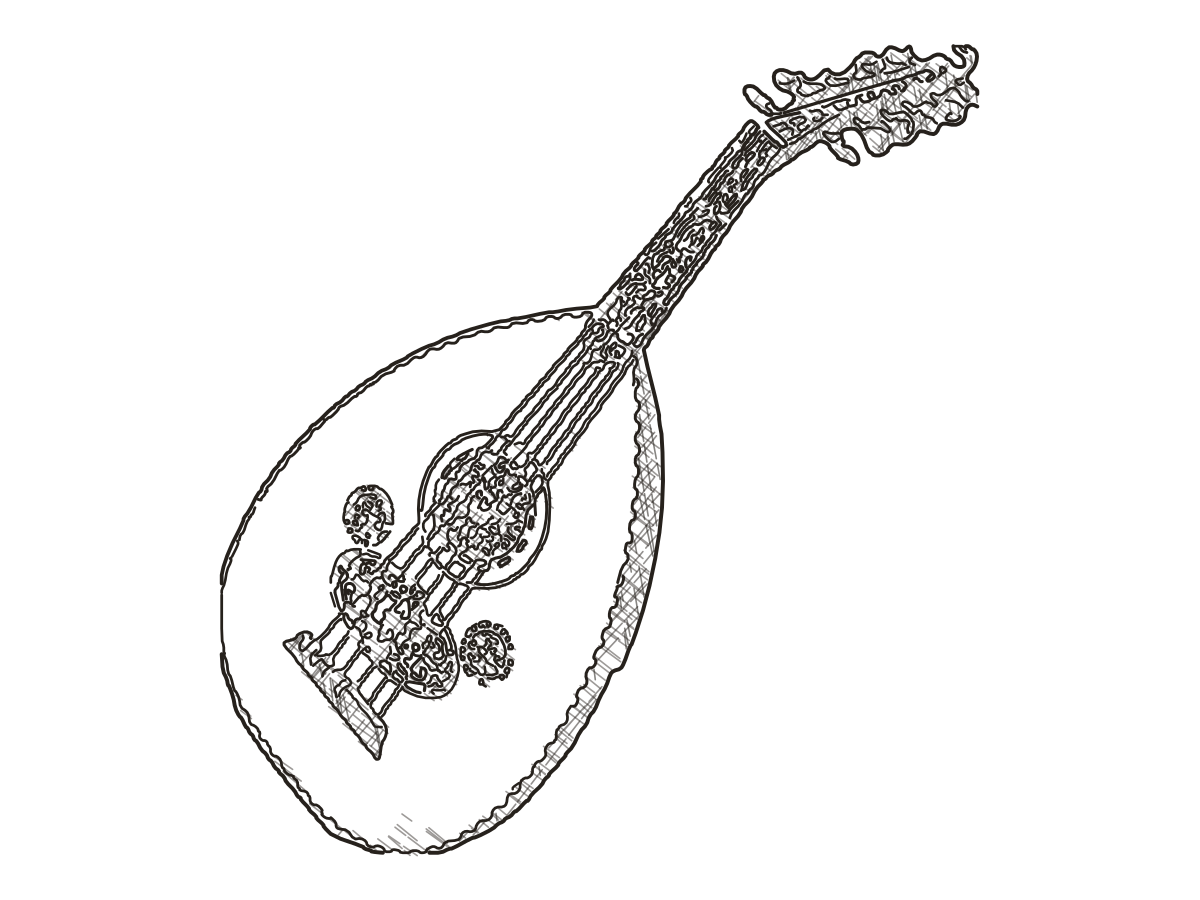
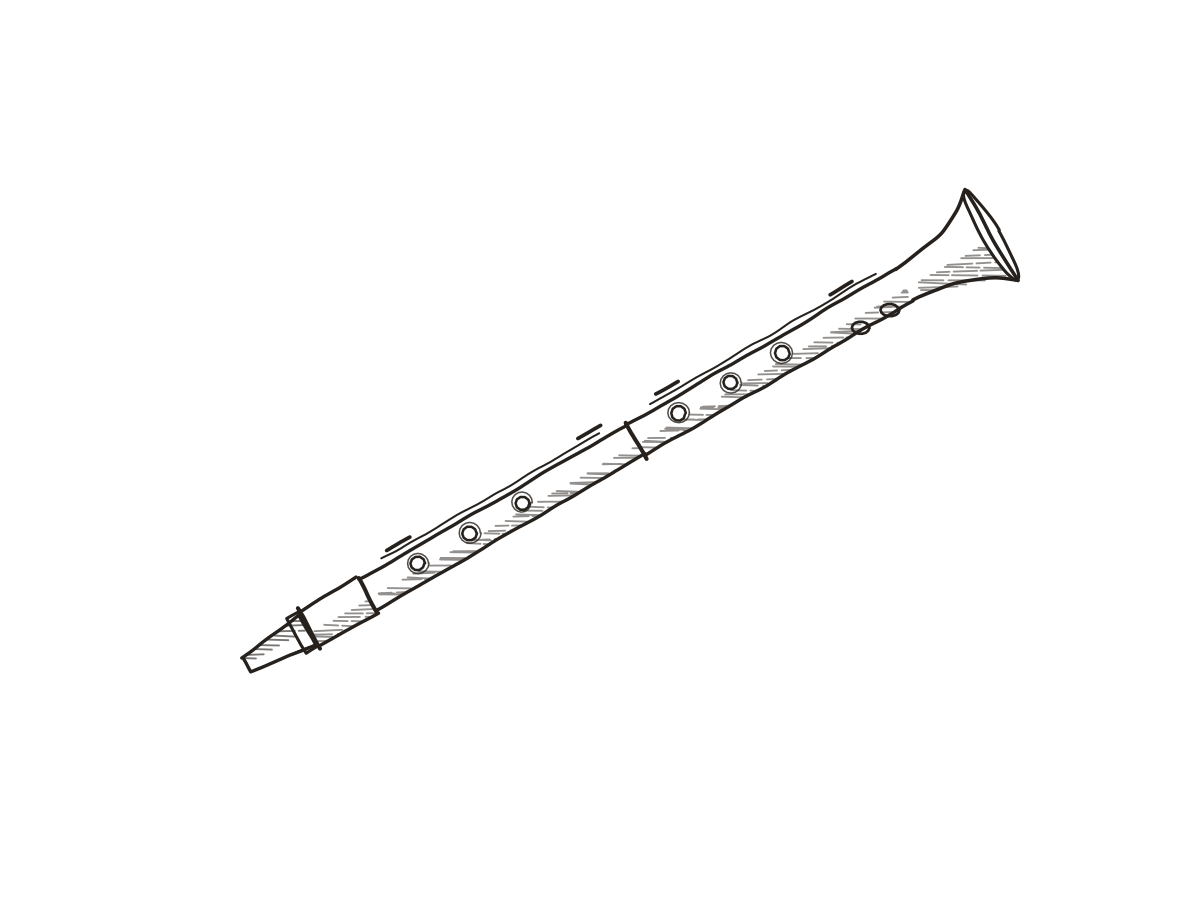
In 1999 the ensemble released Ladino Lives!, seventeen songs with Joe singing and playing guitar, Daniel on clarinet and vocals, Scott Wilson on oud and kanun, Richard Khuzami on dumbeg, George Vikos on bouzouki and Maurice Sedacca on guitar. A live recording made at Yeshiva University’s Semana Sefarad was also released on cassette. More about the album
- 2010
Carrying it forward
Joe Elias passed away on April 10, 2010. The following spring Florida Atlantic University held a memorial concert for him, at which the ensemble played under Daniel Elias, who has led it since 2000.
- 2023Bitola
Bitola
In July 2023 Daniel took the ensemble to North Macedonia to play the family’s songs in Monastir, now Bitola, eighty years after the city’s Jews were deported in the Holocaust. At the Lokum Fest there he played a recording of his grandmother, Sarah “Shorty” Elias, from the stage. The tour went on to the Ohrid Summer Festival and to Skopje.
- TodayNew York
The ensemble today
Today the ensemble is Daniel Elias, Maurice Sedacca, Casey Bond and Marco Brehm, and it still performs in New York and beyond. See the performances




- 1492Sefarad
Sefarad
Sefarad is the Hebrew name for Spain. In 1492 Spain expelled its Jews, and Portugal followed five years later. Many of the exiles found refuge in the Ottoman Empire, and they kept the Spanish they had brought with them.
- 1500sMonastir
Monastir
Exiles from Spain settled in Monastir, an Ottoman city known today as Bitola, in North Macedonia. Their community lived there for more than four hundred years.
- 1909Ellis Island
From Monastir
Joe Elias’s father, David Elias Cassorla, was born in Monastir in 1892. He came to America in 1909, at seventeen. He and Sarah “Shorty” Cassuto met and married in Indianapolis.
- 1920New York
New York
They settled in New York, where David served as a rabbi, first to a congregation on the Lower East Side and later to the Sephardic Congregation of Coney Island. They raised seven children. Joe, the youngest, was born in 1933.
- 1950sNew York
His mother’s songs
Although she was never taught to read or write, Sarah “Shorty” Elias knew hundreds of songs, the Ladino songs of her childhood, and Joe learned them from her at home in the oral tradition. In the 1950s and early 1960s he recorded her singing them. Those recordings survive in the collection of the Hebrew University in Jerusalem, and Daniel Elias still plays them for audiences.
- 1960sConey Island
Collecting
Joe spent his working life in New York City’s public schools. As a young teacher in the 1960s he began asking the grandparents of his Sephardic students for their songs. Daniel joined Joe as they collected songs from the residents of the Sephardic Home for the Aged in Coney Island. Many weekends were spent singing and learning with the residents, including Ladino recording star Victoria Hazan.
- 1976Washington
The Smithsonian
In August 1976, the year of the American bicentennial, Joe sang at the Smithsonian Institution’s Festival of American Folklife on the National Mall in Washington. The Smithsonian encouraged him to form a group, and that year he founded the Elias Ladino Ensemble with his son, Daniel, and the guitarist Maurice Sedacca, whose mother, Esther Sedacca, was herself a singer of these songs.
- 1980sManhattan
A teacher of songs
Joe taught as much as he performed. In the 1980s he led a weekly evening class in Sephardic song at the Hebrew Arts School in Manhattan, handing out songbooks he had made himself and bringing his students to sing at street fairs and at the Sephardic Home for the Aged. He mentored younger singers who went on to careers of their own. The writer Jane Mushabac, who took his class, remembered him: “He was the real thing.”
- 1991Spain
On stage
Over the following decades the ensemble played festivals, concert halls, synagogues and museums: the Philadelphia Folk Festival, the Clearwater Festival on the Hudson, Merkin Concert Hall and, for many years, Yeshiva University’s Semana Sefarad, where it was the house band.
In 1991, ahead of the 500th anniversary of the expulsion of the Jews from Spain, Daniel led the ensemble on a tour through Spain at the invitation of the Spanish government.
- 1993Safed
Safed
In 1993, the ensemble was invited to Safed to play in a folk festival in Israel. The Elias Ladino Ensemble was the only Ladino group to perform at the event.
- 1994Washington Square Church
The New York Times
In January 1994 the ensemble played twenty songs at Washington Square Church in New York, and Allan Kozinn reviewed the concert for The New York Times.
“Joseph Elias did most of the singing and explaining in an appealingly gentle, folksy way.”
- 1997Battery Park, New York
The Museum of Jewish Heritage
When the Museum of Jewish Heritage opened in Lower Manhattan in 1997, the ensemble was the first artist to perform there.
- 1999New York
Ladino Lives!
In 1999 the ensemble released Ladino Lives!, seventeen songs with Joe singing and playing guitar, Daniel on clarinet and vocals, Scott Wilson on oud and kanun, Richard Khuzami on dumbeg, George Vikos on bouzouki and Maurice Sedacca on guitar. A live recording made at Yeshiva University’s Semana Sefarad was also released on cassette. More about the album
- 2010
Carrying it forward
Joe Elias passed away on April 10, 2010. The following spring Florida Atlantic University held a memorial concert for him, at which the ensemble played under Daniel Elias, who has led it since 2000.
- 2023Bitola
Bitola
In July 2023 Daniel took the ensemble to North Macedonia to play the family’s songs in Monastir, now Bitola, eighty years after the city’s Jews were deported in the Holocaust. At the Lokum Fest there he played a recording of his grandmother, Sarah “Shorty” Elias, from the stage. The tour went on to the Ohrid Summer Festival and to Skopje.
- TodayNew York
The ensemble today
Today the ensemble is Daniel Elias, Maurice Sedacca, Casey Bond and Marco Brehm, and it still performs in New York and beyond. See the performances